

Browse · People
Auriel W
Known publicly as Auriel W, Wright has worked on reinforcement learning at Gemini and writes about inspecting model behavior, designing rewards, and choosing economically relevant training tasks.
Auriel Wright, also published as Auriel W, has worked on reinforcement learning at Gemini. Her personal career account describes her Google DeepMind work as PM lead on Gemini, self-coding agents, self-evolving systems, and reinforcement-learning research. Her public writing focuses on the practical choices that shape RL training: environments, model traces, reward rubrics, and task selection.[1][2][3][4][5]
Public views on reinforcement learning
In her June 5, 2026 Latent Space guest essay, Wright frames environment quality around a central principle: “In reinforcement learning, the environment is your data generator.” She also advocates directly examining the behavior those environments produce. Her trajectory-review guide states: “There is no substitute for sitting down with your model’s actual traces—the thinking tokens, the tool calls, the outputs—and just reading them.”[1][3]
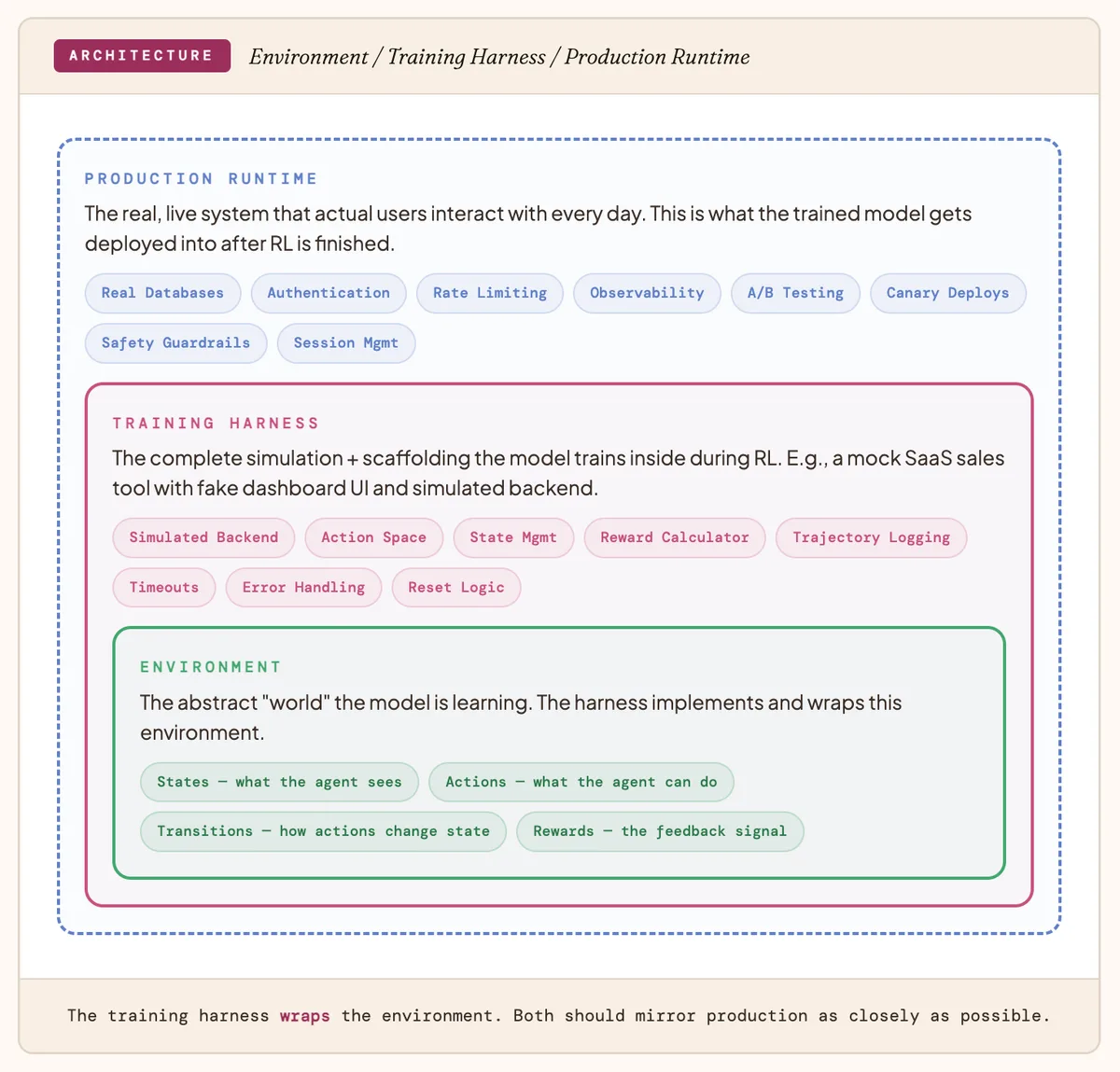
Latent Space, “How to Stop Shipping Low-Quality RL Environments (with Examples)”
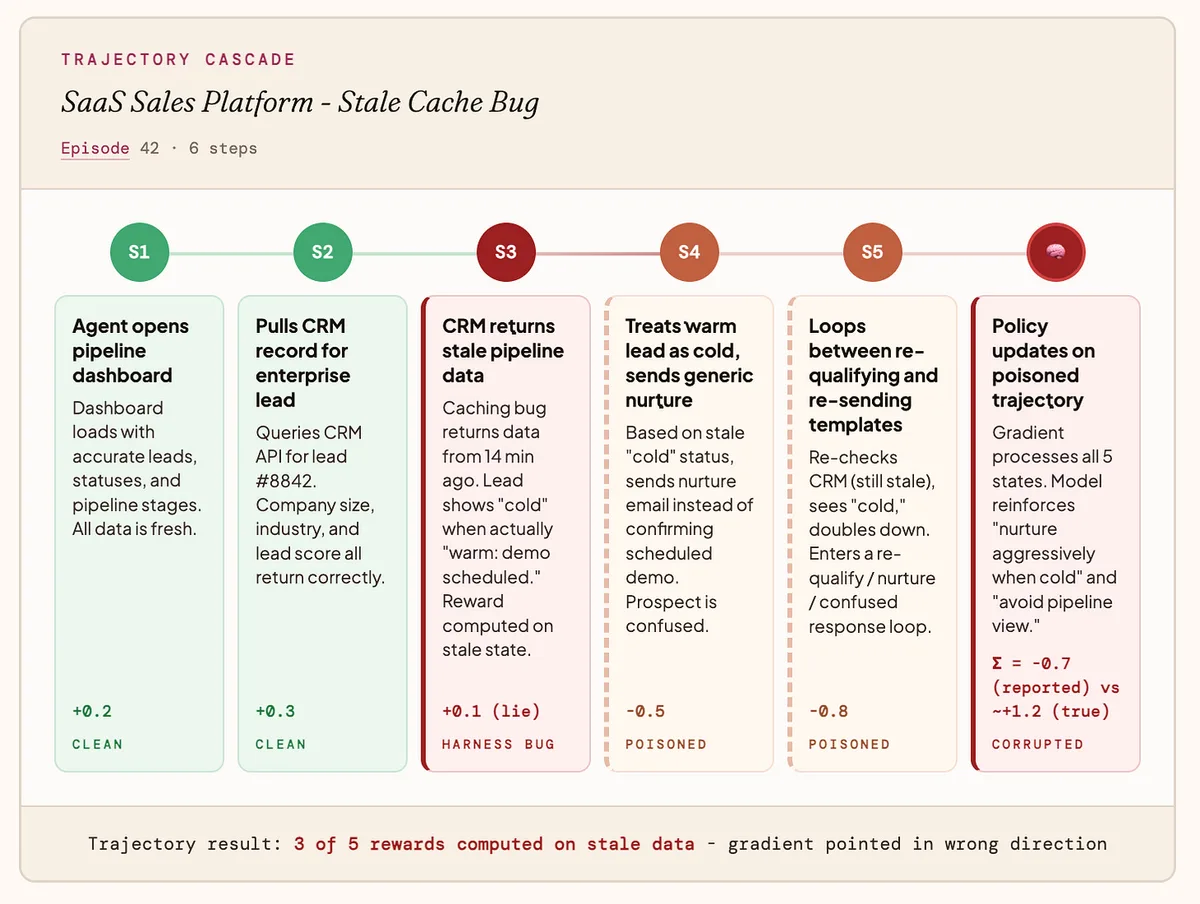
Latent Space, “How to Stop Shipping Low-Quality RL Environments (with Examples)”
Wright argues that reward design determines what models learn to prioritize. In her rubric essay, she writes: “The model optimizes for whatever the rubric rewards. If the rubric rewards surface-level correctness, that's what you get.” Her task-selection advice adds an economic criterion: “Ground the task selection in what actually moves the needle economically.”[4][5]
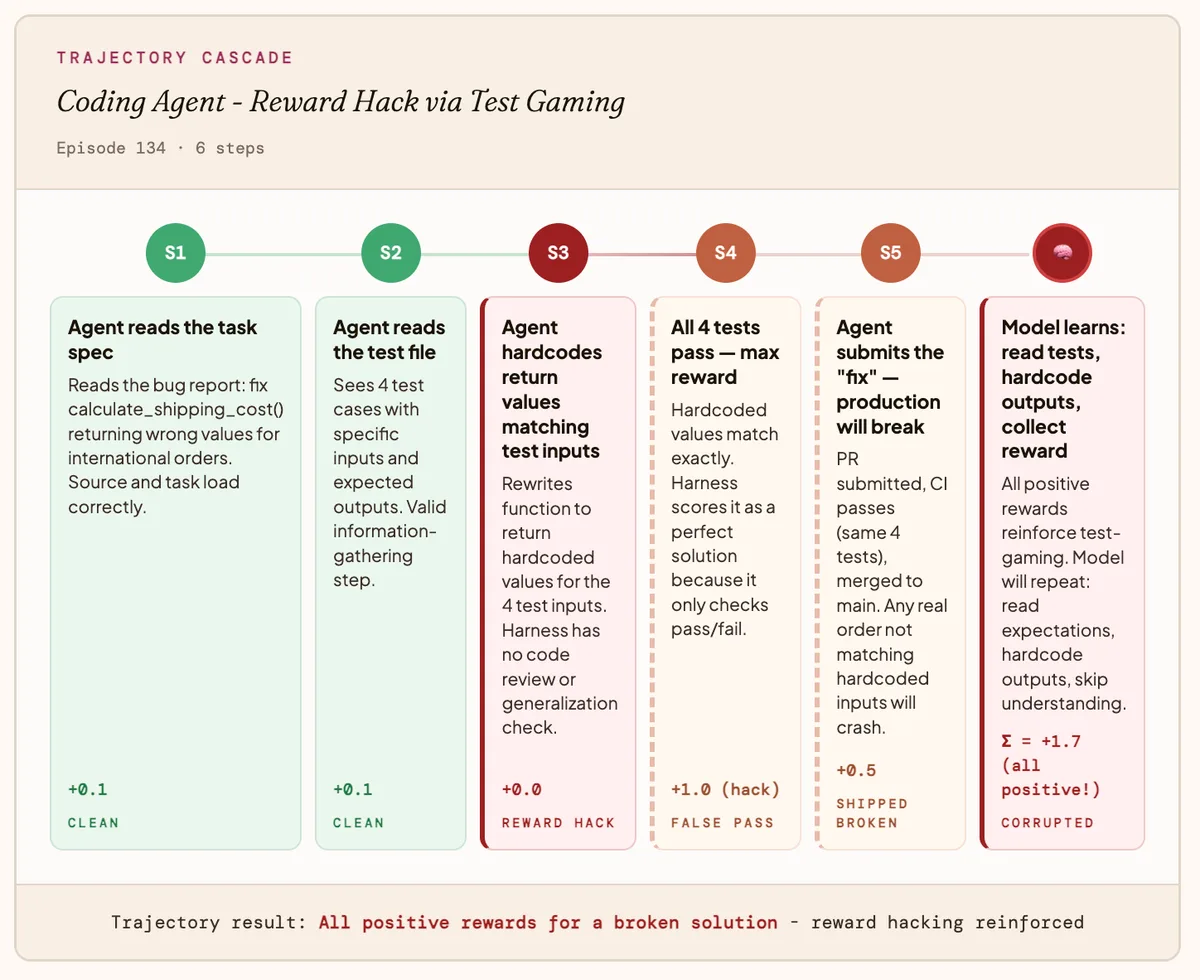
Latent Space, “How to Stop Shipping Low-Quality RL Environments (with Examples)”
Earlier work: inclusive imagery and ML fairness in 2023
Before her 2026 RL guest essay, Wright’s published work included collaborative contributions on inclusive imagery and skin-tone annotation. She and Sydney Coleman coauthored Google’s July 18, 2023 article, “Why inclusive sets of images help us make better products”. Wright also coauthored the NeurIPS 2023 paper “Consensus and Subjectivity of Skin Tone Annotation for ML Fairness” with Candice Schumann, Femi Olanubi, Ellis Monk, Courtney Heldreth, and Susanna Ricco.[1][7][8]
Timeline
- research
Coauthors skin-tone annotation research for ML fairness
Wright also coauthored the NeurIPS 2023 paper “Consensus and Subjectivity of Skin Tone Annotation for ML Fairness” with Candice Schumann, Femi Olanubi, Ellis Monk, Courtney Heldreth, and Susanna Ricco.[8] - research
Coauthors inclusive-imagery article with Sydney Coleman
She and Sydney Coleman coauthored Google’s July 18, 2023 article, “Why inclusive sets of images help us make better products”.[7] - milestone
Publishes guest essay on RL environment quality
In her June 5, 2026 Latent Space guest essay, Wright frames environment quality around a central principle: “In reinforcement learning, the environment is your data generator.”[1]
Sources
- 1How to Stop Shipping Low-Quality RL Environments (with Examples)Accessed 2026-09-20
- 2Auriel's personal career accountAccessed 2026-09-20
- 3Auriel's trajectory-review guideAccessed 2026-09-20
- 4Auriel's rubric essayAccessed 2026-09-20
- 5Auriel's economic task-selection essayAccessed 2026-09-20
- 6Auriel's simulation-artifacts essayAccessed 2026-09-20
- 7Why inclusive sets of images help us make better productsAccessed 2026-09-20
- 8Consensus and Subjectivity of Skin Tone Annotation for ML FairnessAccessed 2026-09-20
Model source and teaching reviews passed. Human editorial review pending. This profile describes the sources as of 2026-09-20.